Japan's Tea Regions, Brands, and What Sets Them Apart
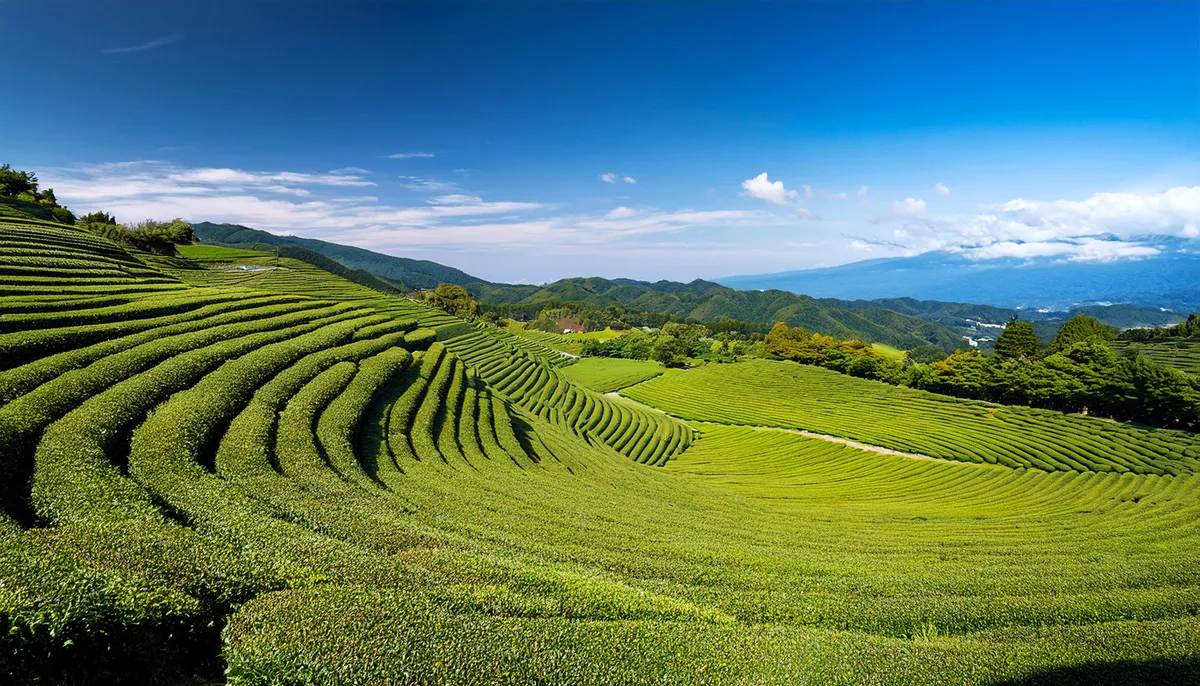
Japanese tea takes on a different character depending on where it's grown, the local climate, soil, and processing tradition all leave their mark on the cup. Here's a guide to the country's major tea-growing regions, along with a full list of brands from across Japan.
▼ Contents
Japan's Leading Tea Regions and What Sets Them Apart
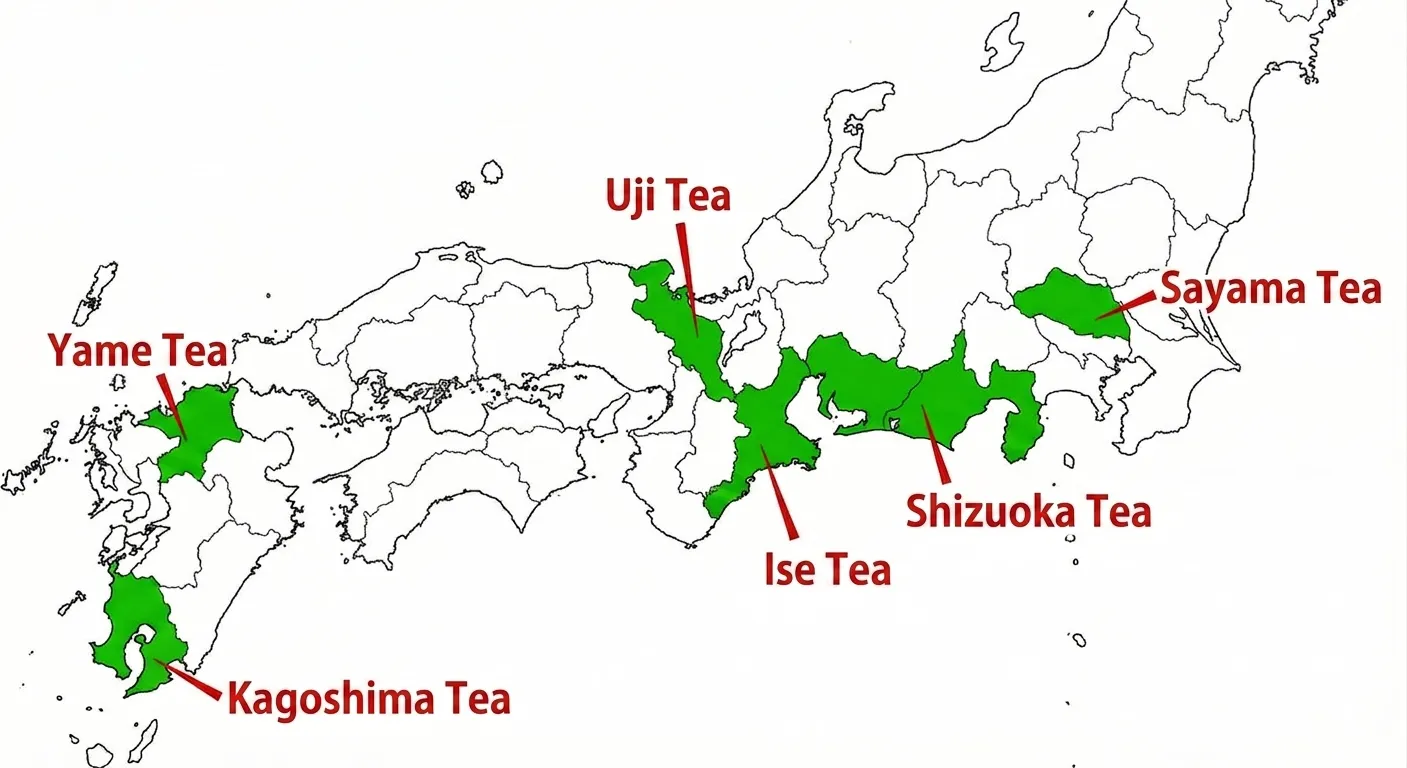
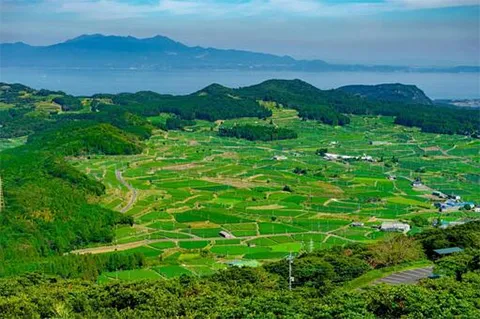
Japan's largest tea-producing region, having overtaken Shizuoka in recent statistics. Its strength lies in the broad, flat terrain built up from Sakurajima's volcanic ash, which allows efficient cultivation with large ride-on harvesters, and makes the region less vulnerable to the labor shortages affecting smaller, hillier farms elsewhere.
Kagoshima is also famous for producing Japan's earliest new-season tea (ōbashiri), thanks to its warm climate. Common cultivars include Yutakamidori and Saemidori, producing a vivid deep green tea with low astringency and pronounced sweetness.
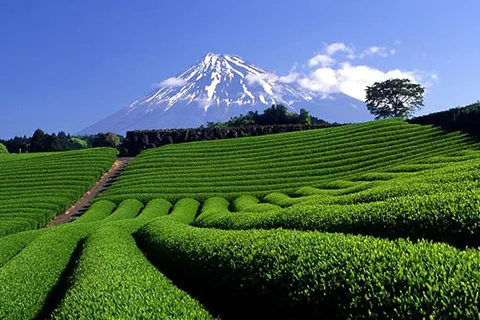
The heart of Japanese tea culture, the region people mean when they simply say "tea country." Though it has slipped to second place in production volume, Shizuoka remains the country's dominant hub for distribution and processing.
What makes Shizuoka distinctive is the sheer diversity within the prefecture. The flatlands around Makinohara and Kakegawa produce rich, full-bodied fukamushicha (deep-steamed tea), while mountainous areas like Kawane and Honyama produce fragrant, clear-tasting asamushicha (lightly steamed tea, sometimes called nobicha). Whatever your preference, there's a Shizuoka tea to match it.
Third in national production, and, less widely known, the country's number-one producer of kabusecha, the style that sits between gyokuro and sencha.
Mie's tea-growing history is said to stretch back to the Heian period. Its leaves grow thick, producing a rich, deep flavor with the smooth sweetness characteristic of kabusecha. Known among connoisseurs as a robust tea that holds its flavor through the second and third infusion.
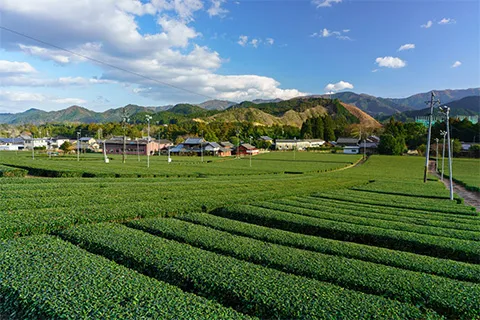
Synonymous with premium tea. With a history dating back to the Kamakura period, Uji is the birthplace of Japanese tea culture.
Rather than chase volume, Uji has pursued quality through the traditional practice of ōishita shade cultivation, blocking direct sunlight to maximize theanine, the compound behind umami. This has made Uji gyokuro and matcha among the finest in the world. Even Uji sencha carries a deep, broth-like umami and an elegant golden liquor.
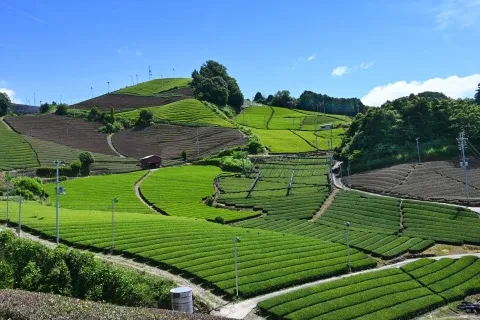
Japan's undisputed home of premium gyokuro, having dominated the gyokuro category at Japan's national tea competition for years running.
The heart of the region, around Yame's Hoshino village, is a misty basin with sharp swings between day and night temperature, ideal conditions for tea cultivation. Yame tea's defining trait is its sweetness: astringency is remarkably low, replaced by a rich, mellow depth that's hard to forget once you've tried it.
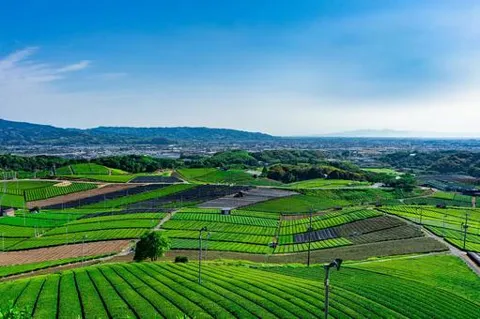
So goes the old tea-picking song about this celebrated tea from the Kanto region. Sayama sits near the economic northern limit for tea cultivation, and the cold climate forces the leaves to grow thick to survive.
Those thick leaves are then given a distinctively strong roast known as sayama-hiire, drawing out a rich sweetness and toasty depth (hika) found nowhere else. Production is small and hard to come by, but the tea has a devoted following.
🍵 Japan's Tea Production Rankings (Latest)
Kagoshima Prefecture
"Japan's Largest Producer"
Flat terrain enabled rapid mechanization, and a warm climate favors early-maturing cultivars like Yutakamidori. Recorded Japan's highest crude-tea production volume in the 2024 harvest.
Shizuoka Prefecture
"The Unshaken Center of Tea Culture"
Still Japan's leader in cultivated area and distribution infrastructure. Offers everything from deep-steamed tea to premium mountain-grown tea.
Mie Prefecture
"Home of Kabusecha"
Produces the largest share of kabusecha — the style between gyokuro and sencha — of any prefecture in Japan.
*Source: Japan's Ministry of Agriculture, Forestry and Fisheries, "2024 Tea Harvest Area, Fresh Leaf Yield, and Crude Tea Production"
A Common Question: "Three Major Producing Regions" vs. "Three Great Teas", What's the Difference?
- 🍵 Japan's Three Major Tea-Producing Regions (by volume)
-
Shizuoka, Kagoshima, and Mie Prefectures
Simply put, these are the top three prefectures by tea production volume.
*Rankings can shift depending on the year's statistics. - 🏯 Japan's Three Great Teas (by reputation)
-
Shizuoka tea, Uji tea, and Sayama tea
This ranking reflects history, quality, and reputation rather than volume alone, the traditional brands.
As the old tea-picking song puts it: "Color from Shizuoka, aroma from Uji, but for flavor, Sayama wins", each celebrated for its own distinct strength.
Japanese Tea by Prefecture
Tap a brand name to see its characteristics, main cultivars, and climate in detail.
[Rare Tea] The Fading Original Flavor: Zairai Cultivars
Most Japanese tea today comes from cultivated varieties like Yabukita, propagated by cutting. But did you know Japan also has tea grown the old way, from seed?
Tea trees grown from seed are called zairai, and no two are genetically identical. A single field might contain hundreds of subtly different tea plants, forming a kind of natural blend that produces a bold, wild, faintly nostalgic aroma. Efficiency concerns have made zairai extremely rare today, but it's drawing renewed attention as a way of tasting the raw vitality of tea in its original form.
A Bird's-Eye View of a Tea Field
Aerial footage of the tea fields spreading across Kakegawa, Shizuoka Prefecture
Tea-Growing Regions of the World
Tea is grown across Asia and Africa and around the world. Here's a look at the "three great black teas" and other distinctive teas from around the globe.
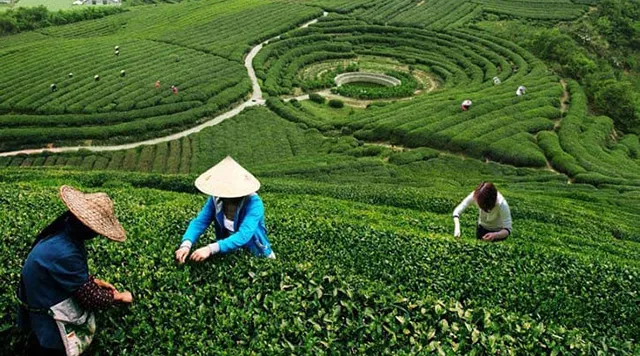
The world's largest tea producer and the birthplace of tea itself. China grows an enormous range, green tea (such as Longjing), oolong, pu-erh, and more. It's also home to Keemun, one of the world's three great black teas.
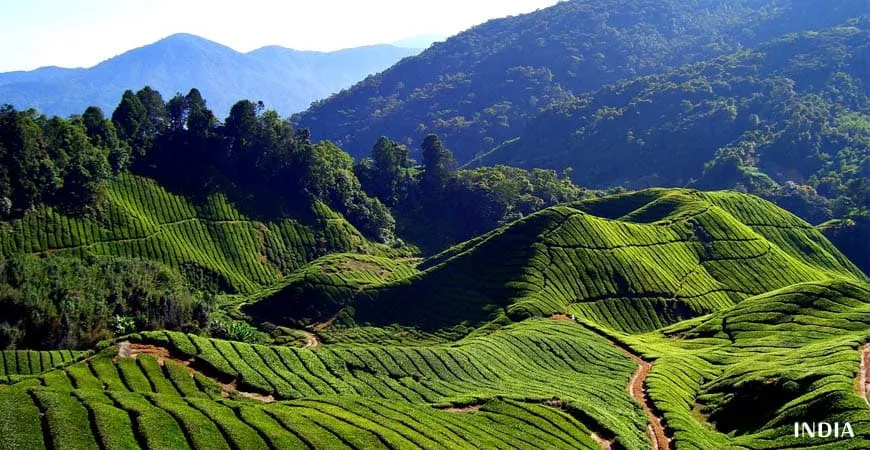
One of the world's leading black tea producers. Known for rich, full-bodied Assam, ideal for milk tea, and Darjeeling, one of the world's three great black teas, often called "the champagne of teas."
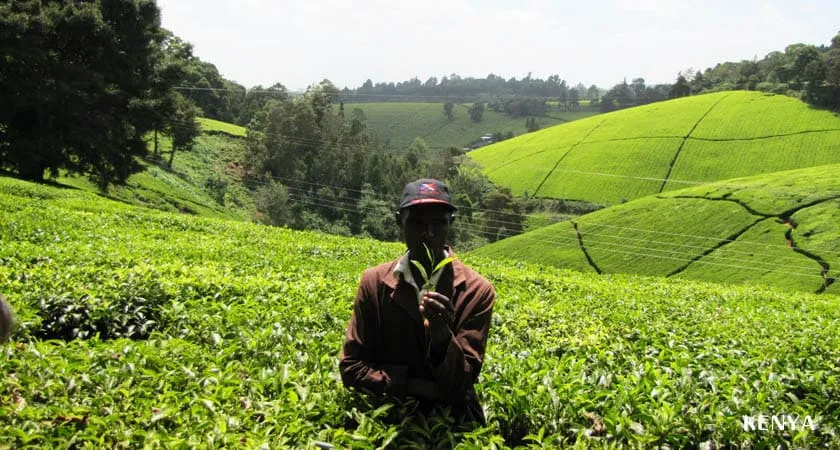
Africa's largest black tea producer, and among the world's top exporters. Known for a bright red liquor and a fresh, bold flavor. Most Kenyan tea is processed into the fine leaf used for tea bags.
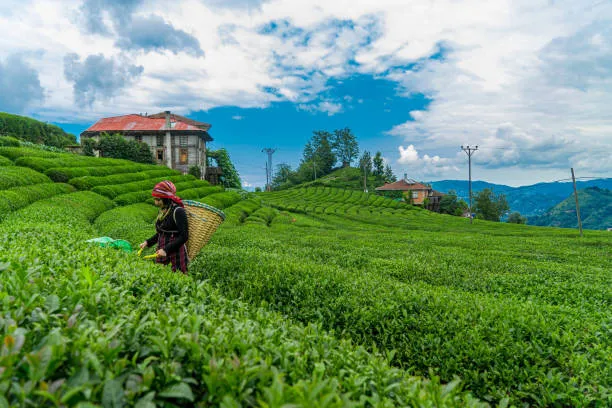
Said to have the world's highest per-capita tea consumption. Tea is brewed strong in a two-tiered pot (çaydanlık), then diluted with hot water to taste and typically served with plenty of sugar.
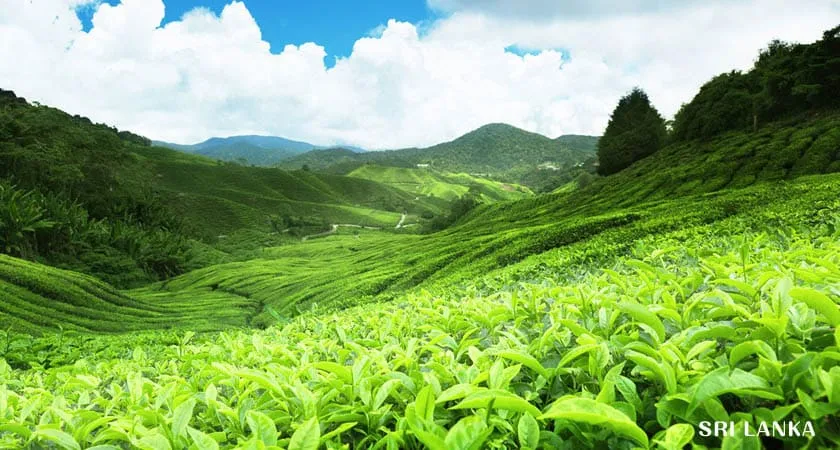
Famous under its former name, Ceylon, as a premier black tea region. Home to Uva, one of the world's three great black teas, alongside Dimbula and Nuwara Eliya, each with a character shaped by altitude, and loved worldwide.
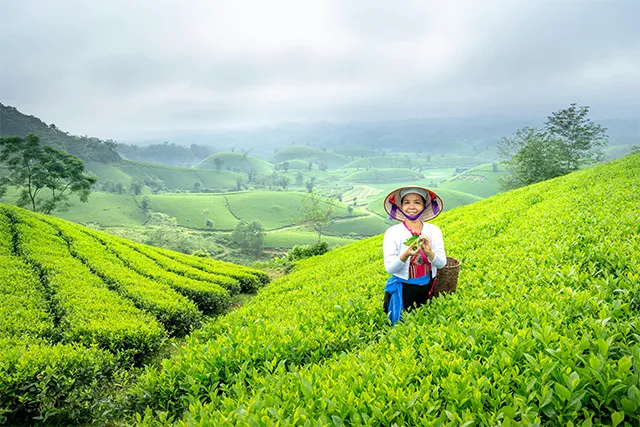
Known for green tea and jasmine tea, along with lotus tea, scented with the country's national flower. As with Vietnamese coffee, tea is sometimes brewed strong and served with sweetened condensed milk.
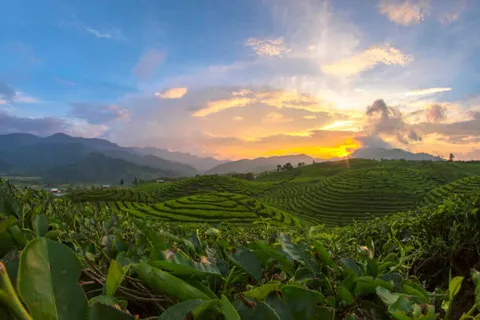
Black tea from regions like Java is known as "Java tea", mild, clean, and low in astringency. Popular in Japan as a food-friendly tea with little bitterness.
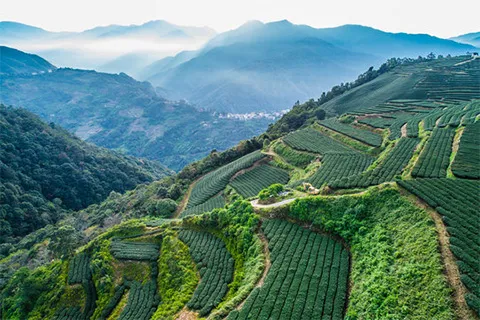
Home to fragrant high-mountain oolong grown above 1,000m (such as Alishan and Lishan), and Oriental Beauty, prized for its honeyed aroma. Taiwan has also developed distinctive tea-tasting traditions, including the use of aroma cups (wenxiangbei).
 Shop
Shop