Tips for Even Better Japanese Tea
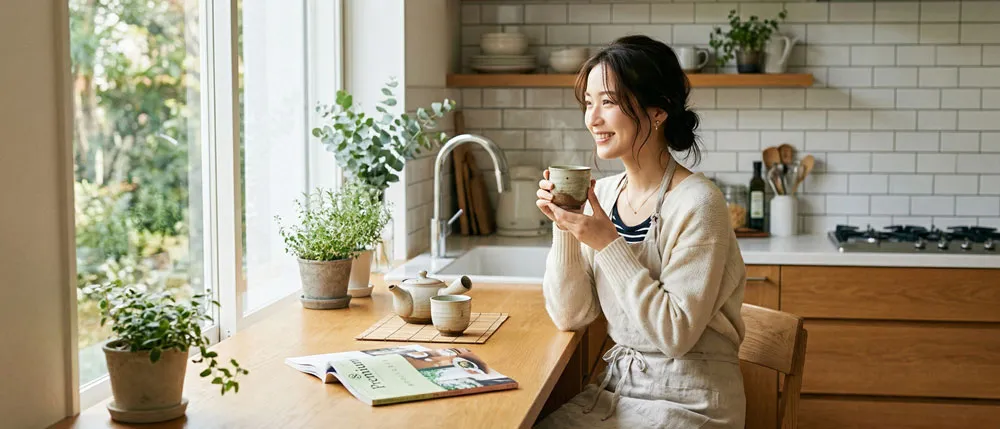
For the basics of brewing, see How to Brew Japanese Tea. Here, once you've got the basics down, we share small refinements that can take the flavor even further.
BREWING TIPSBrewing Tips
Even great tea can be spoiled by poor water. If using tap water, and the chlorine smell bothers you, boiling it with the kettle lid off for a good while can help reduce the smell of residual chlorine. Letting it sit out (4–5 hours) or using a water filter are other options. If using bottled mineral water, check the hardness — soft water is generally best suited to Japanese tea.
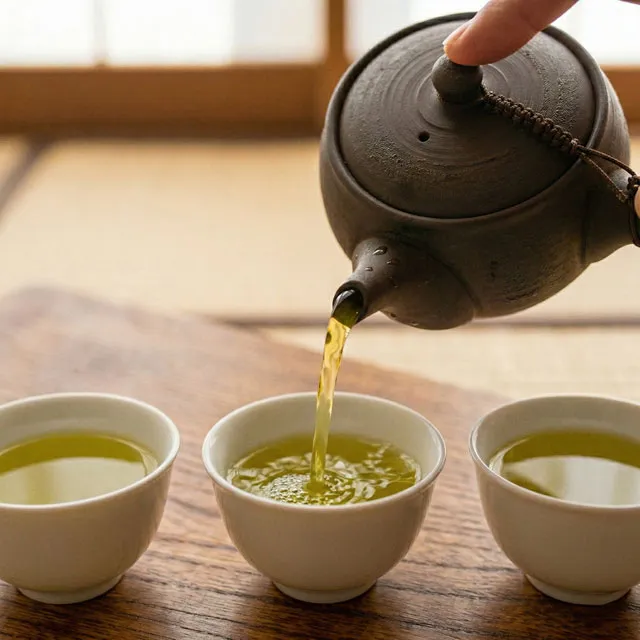
A technique for keeping the amount and strength of tea even across several cups. Pour a little into each cup in turn, going "1→2→3," then reverse and go "3→2→1." Pouring the pot fully empty on that last round means you get every last drop, with nothing left behind.
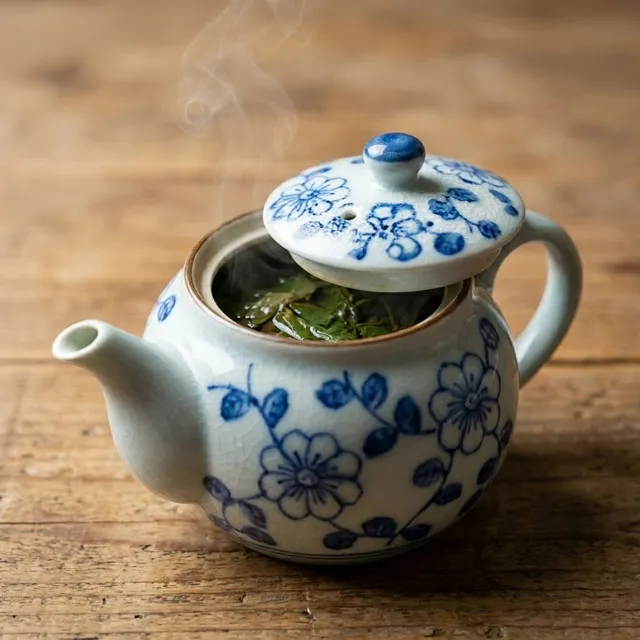
Once you've poured the first infusion, leave the teapot's lid slightly ajar. This helps prevent the leaves from over-steeping, so your second infusion tastes just as good. Since the leaves are already open by this point, brew the second infusion with slightly hotter water for a shorter time than the first.
The balance of leaf and water is what really shapes a cup's flavor. If your tea tastes weak on flavor or aroma, try adding a little more leaf. A good starting point, whether brewing for one person or sharing among several, is about 2–3g of leaf per person. For a stronger cup, try adjusting the leaf amount or the water volume. Adjusting the water temperature and steeping time alongside these can help you dial in the flavor you're after.
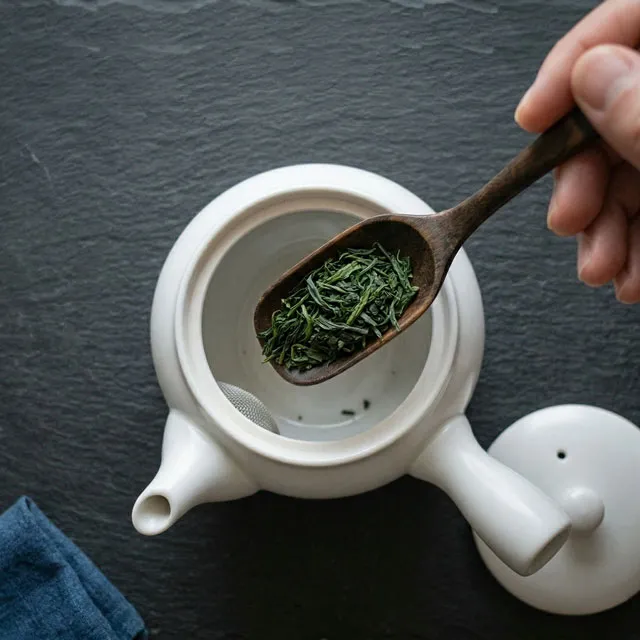
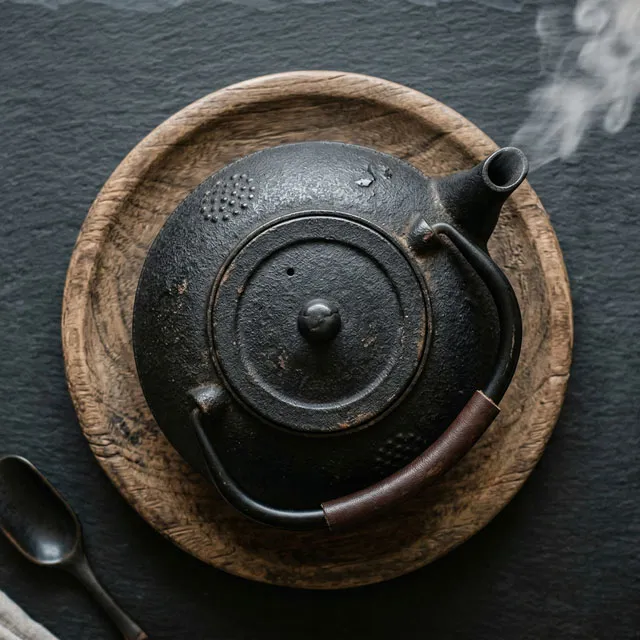
It's worth matching your teaware to the type of tea. Use a small vessel for gyokuro, a slightly smaller pot for sencha, and a teapot with a fine mesh strainer for deep-steamed sencha (fukamushicha). Hojicha suits a larger earthenware pot, and thick-walled ceramic cups, which don't transfer heat to your hands as readily, bring out a cozy warmth in the whole experience.
See our guide to choosing a teapot (Japanese) →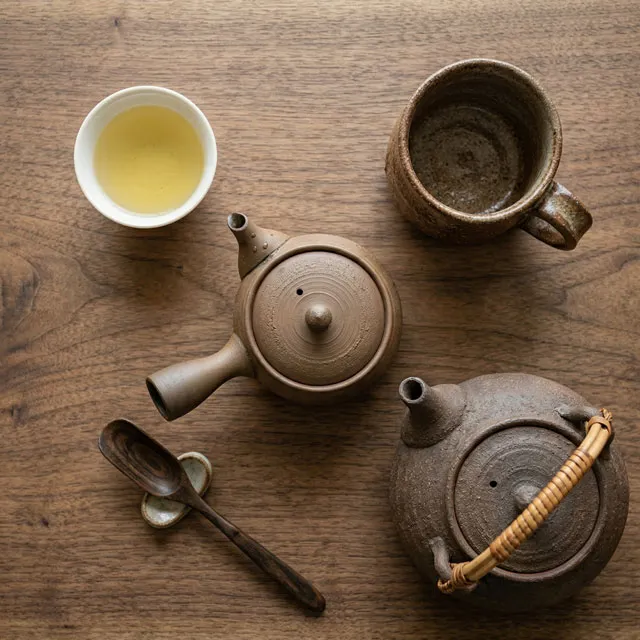
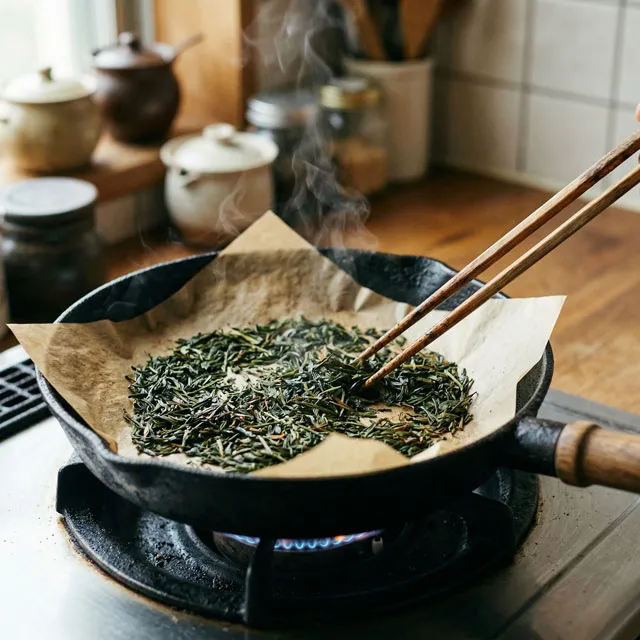
If your tea has lost some of its aroma in storage but shows no mold or off-smells and is otherwise in good condition, you can revive it: lay the leaves on a piece of parchment paper in a pan and roast them gently over low heat, or warm them briefly in the microwave, uncovered, for a fragrant homemade hojicha.
FRESHNESS & STORAGELeaf Freshness & Storage
Japanese tea is delicate, and its freshness shapes the flavor enormously. Let's start by checking the condition of the leaves you have on hand.
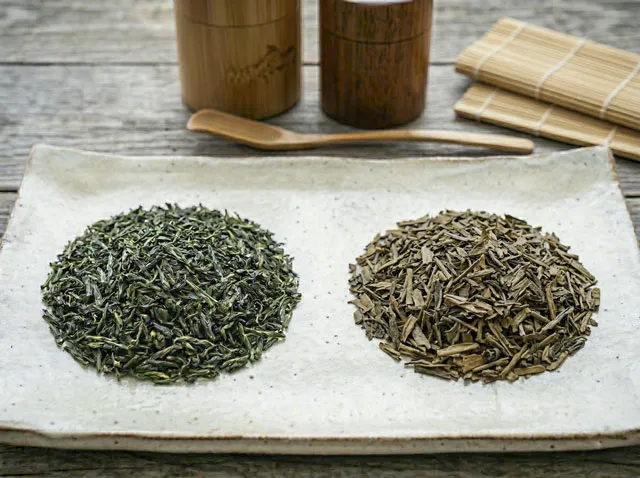
For sencha and similar teas, fading freshness can show up as a gradual dulling or yellowing of the leaf color. That said, the natural color varies by tea type.
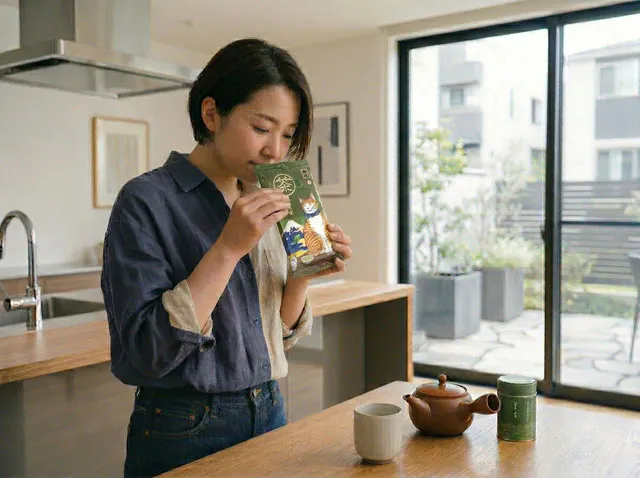
Ideally, opening the package should release a bright, fresh, green scent right away.
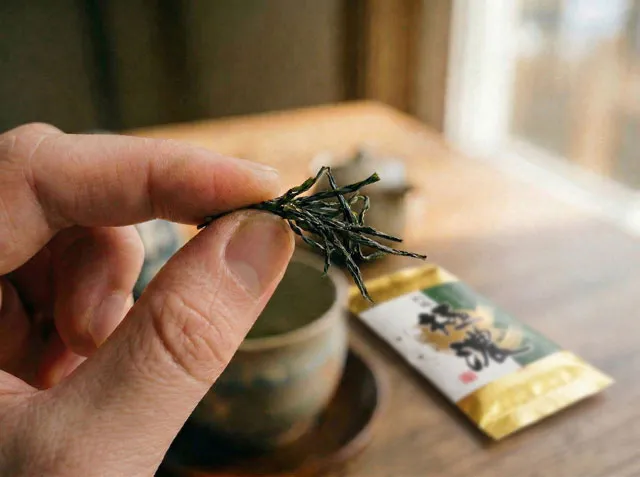
Some natural suppleness in the leaf can be one signal, though tea is already a dried food, so texture alone isn't always a reliable indicator. It's worth checking whether the aroma has weakened or the leaves have picked up moisture, too.
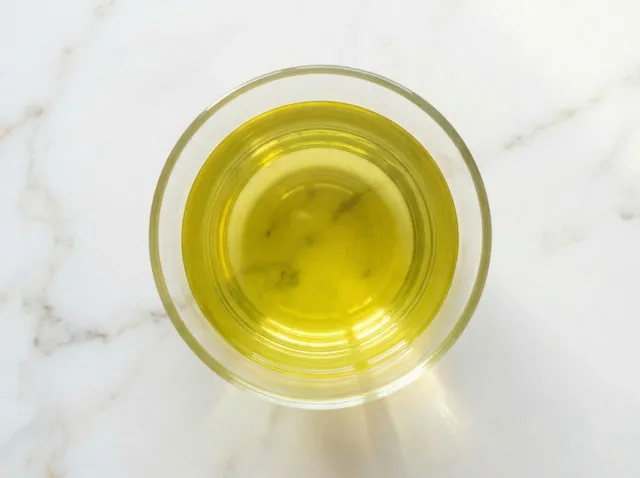
Check that the color matches what's natural for that tea type, and that the aroma and flavor seem right alongside it.
Keys to good storage: Use an airtight container to keep out humidity. Store it somewhere cool, and take out only what you need at a time. If using the refrigerator, seal the canister with tape to prevent it from picking up odors from other food. Try to keep tea away from heat sources like stoves or heaters.
CAUTIONSA Few Things to Keep in Mind
FAQCommon Issues & Fixes
If your tea isn't turning out quite right, start here. Most common issues have a clear cause and an easy fix.
SCENE GUIDETea for Every Occasion
Caffeine for a clear-headed start. Brewed at a slightly higher temperature, it's a refreshing way to begin.
Browse sencha (Japanese) →A chilled, mild bancha or hojicha with little astringency is a good pick for refreshing after exercise. For actual hydration, stick to water or sports drinks, and treat tea as something to enjoy for its aroma and flavor.
Browse hojicha (Japanese) →A clean-tasting tea makes a good palate cleanser after a meal. Worth making a habit of as a small after-meal ritual.
Browse sencha (Japanese) →A toasty, clean-tasting tea like hojicha pairs well as a palate cleanser after fried food or heavier Western dishes.
Browse hojicha (Japanese) →Caffeine to help you shift gears, paired with theanine's gentle sweetness for a calm, focused stretch of time.
Browse sencha (Japanese) →If pregnant, nursing, or serving tea to children, it's worth keeping an eye on caffeine intake. Brew it weaker, or choose a product with caffeine content labeled, to help manage the amount.
Browse genmaicha (Japanese) →COLD BREWCold-Brew Tea
Here's a special way to bring out the full umami of the leaf. At low temperatures, the compounds behind astringency and bitterness extract less readily, giving a mellow, naturally sweet cup. If you want it quickly, try the "3-minute quick version" below; for a deeper flavor, go with the "full version," steeped in the refrigerator for 2–8 hours.
You can also try "ice-brewing": use ice instead of water, let it sit in the refrigerator overnight, and drink once the ice has melted. Well worth trying.
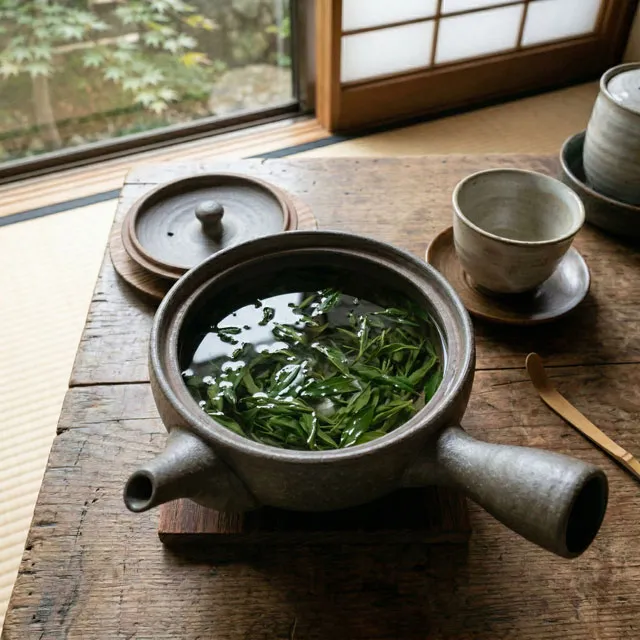
The Magic of "Quick-Chilling," Locking In Aroma
A different way to enjoy tea cold is "quick-chilling" (rokku, or "on the rocks"). It's like locking the vivid aroma of a fresh hot brew into the ice the moment it's poured. Quick-chilling lets you enjoy the aroma and flavor of freshly brewed tea while it's cold. You get a crisp, refreshing finish and a rich aroma. It's also a great way to carry tea in a stainless bottle — one of our favorite ways to drink tea.
 Shop
Shop