The World of Shizuoka Wakōcha
A gentle, unhurried flavor shaped by history and land
Why Wakōcha Is Getting Attention Now
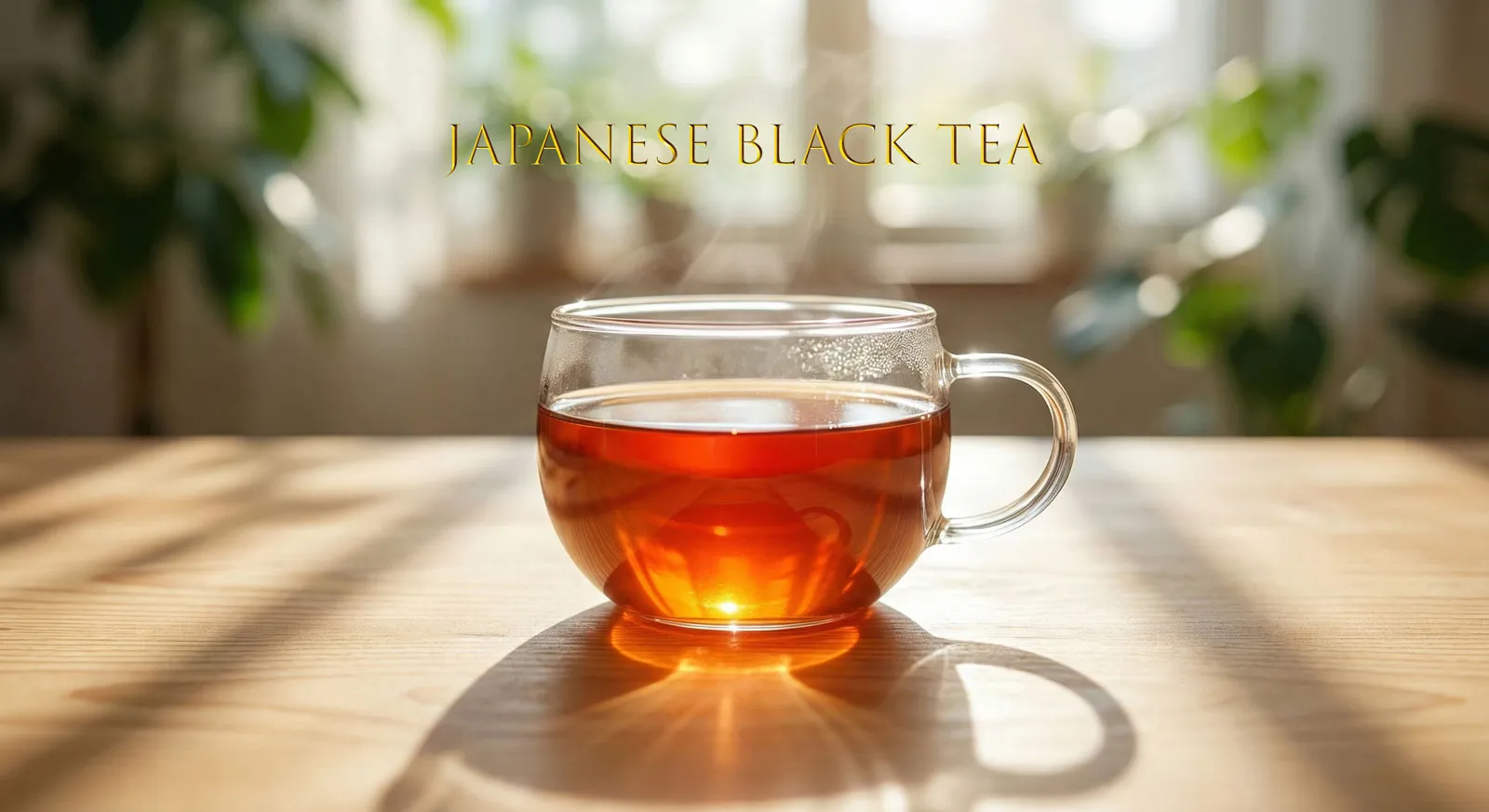
"Wakōcha" is the general term for black tea grown and processed within Japan. Unlike black teas from India or Sri Lanka, it's made to suit Japan's mild climate and soft water, giving it its defining trait: low astringency, with a natural sweetness even without sugar.
Amid a broader shift away from coffee, especially among younger drinkers, and a growing interest in wellness, that gentleness has found real support — wakōcha has become a driving force behind Japan's third black tea boom.
Shizuoka, the Birthplace of Wakōcha: History and Climate
🇯🇵 History
Japan's black tea history stretches back to the Meiji era. Tada Motokichi, sent abroad on a government mission, brought back black tea production techniques from India and China, and it was Shizuoka Prefecture where those foundations were laid. The industry declined for a time after import liberalization, but today that tradition and craft have made a striking comeback under the name "wakōcha."
⛰️ Climate and Terroir
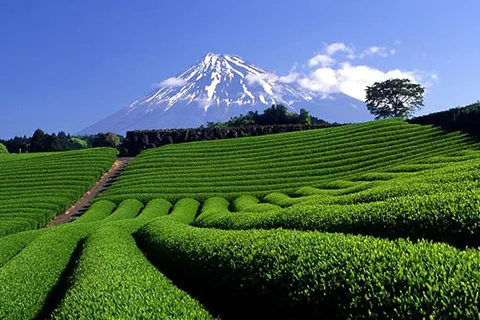
Shizuoka's tea gardens, especially in the misty mountain areas, strike a delicate balance of sunlight and rainfall. Morning and evening fog acts as a natural curtain, shielding the leaves from harsh sun. This helps keep astringent compounds (tannins) in check while preserving the sweetness-giving compound theanine — the secret behind the gentle character of Shizuoka wakōcha.
Enjoy It Like Wine: Choosing Wakōcha by Cultivar
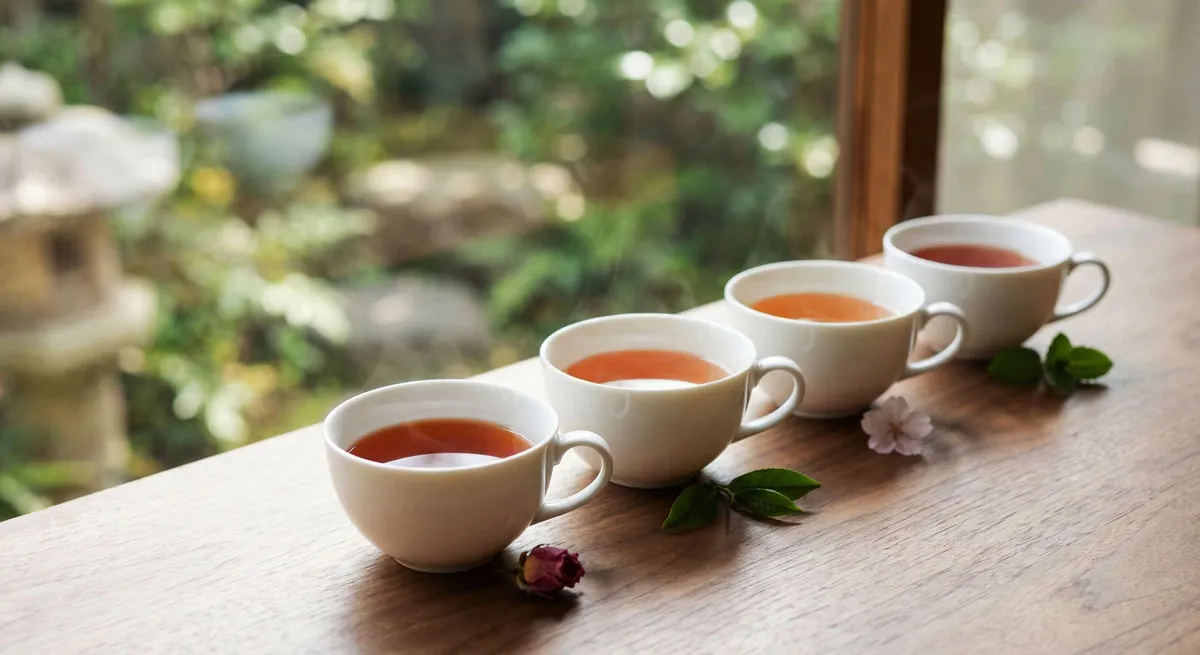
Part of what makes wakōcha so interesting is how dramatically the aroma changes depending on the tea cultivar used. Shizuoka grows a wide range of them.
🍵 Yabukita
Character: The king of cultivars, accounting for 70% of Japan's tea gardens. As a black tea, it has remarkably little astringency and a rustic sweetness reminiscent of brown sugar. This is the cultivar to reach for alongside Japanese sweets or a meal.
See this cultivar's products (Japanese)👑 Benifuuki
Character: Japan's flagship cultivar bred specifically for black tea, with Darjeeling lineage. Known for a deep richness and a vivid, floral aroma.
Benifuuki was developed for black tea, but we don't carry it as black tea at Minorien. To make the most of its compounds (methylated catechins), we produce and sell it as a powdered green tea instead.
See Benifuuki (powdered green tea, Japanese)
🌿 Koshun
Character: A fragrant cultivar that's grown popular in recent years. Its distinctive aroma compounds evoke herbs or sakura mochi, giving it the flair of a naturally flavored tea.
※ Currently unavailable at our shop.
🌹 Benihikari
Character: Its defining trait is a cool, menthol-like aroma reminiscent of mint. A distinctive cultivar for connoisseurs, with a crisp, pleasant astringency and a refreshing finish.
※ Currently unavailable at our shop.
The Producers' Craft|From a Shizuoka Tea Garden
"Bringing green tea's craftsmanship to black tea"
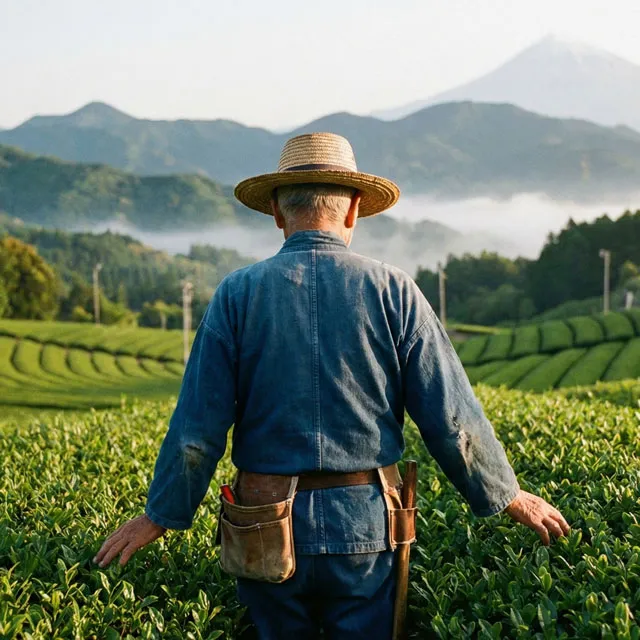
Great wakōcha comes from the meeting of excellent leaves and skilled craftsmanship. Our wakōcha is made by seasoned growers in Shizuoka whose families have worked in tea for generations.
They start with the soil, using as little pesticide as possible to let the tea plant's own character shine through. During the crucial fermentation stage, they adjust timing minute by minute based on that day's temperature and humidity — never leaving it entirely to machines, relying instead on their own senses to draw out that distinctly Japanese sweetness. It's craftsmanship in the truest sense.
The Compounds Behind Wakōcha's Appeal
Beyond its flavor, wakōcha contains compounds worth knowing about if you're looking to work tea into your daily routine. It's gaining attention as a cup you can enjoy consistently, without much fuss.
-
Theanine (an amino acid):
The compound behind tea's umami and sweetness. In the middle of a busy day, it can gently support that "I just want a moment to breathe" or "I want to reset" kind of break. -
Theaflavins (black tea polyphenols):
The compound behind black tea's beautiful red color, formed as catechins ferment. A type of polyphenol that's drawn interest from people mindful of their everyday wellness. -
Caffeine (about half that of coffee):
Wakōcha's caffeine content is said to run at roughly half that of typical coffee (about 30mg per 100ml, versus roughly 60mg for coffee). Its gentler kick makes it a good fit for "I want a lift, but coffee feels like too much" moments, or a relaxed afternoon.
*The above describes compounds naturally found in the leaf and does not represent a guarantee of any product's effects.
Delicious Pairings With Sweets and Meals
Part of the fun for wakōcha enthusiasts is matching food and sweets to each cultivar's character. Here are some pairings worth trying, each chosen to bring out a different side of the tea.
🍡 Japanese Sweets × Mellow Wakōcha
Pairing note: brings out sweetness
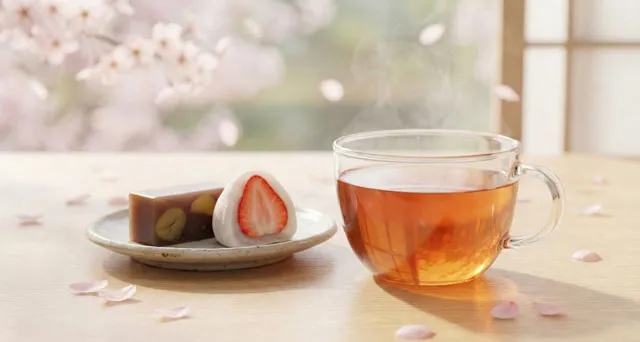
Low-astringency cultivars close to green tea in character, like Yabukita, pair beautifully with red bean sweets like yōkan or daifuku. A delicate, distinctly Japanese match.
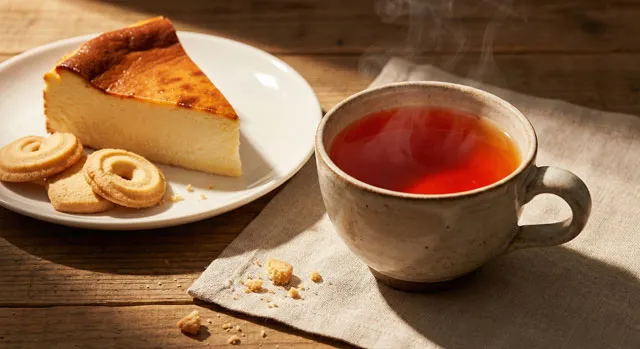
🍰 Western Sweets × Rich Wakōcha
Pairing note: cleanses the palate
A cultivar with a pleasant astringency and body cuts through the richness of cheesecake or buttery cookies. Try it as a milk tea alongside something indulgent, too.
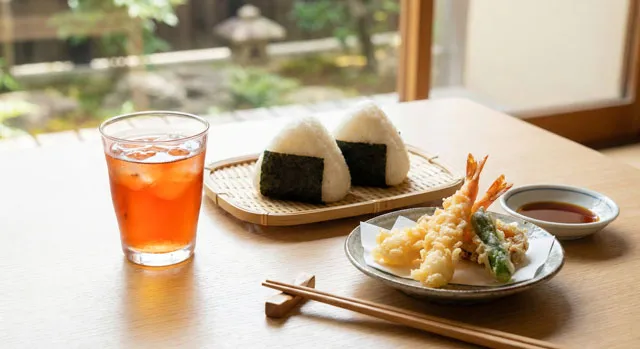
🍙 Meals × Crisp, Clean Wakōcha
Pairing note: stays out of the way
Since wakōcha's aroma is never overpowering, it doesn't compete with dashi- or soy-based Japanese food like tempura or onigiri. A clean choice as a tea to drink alongside a meal.
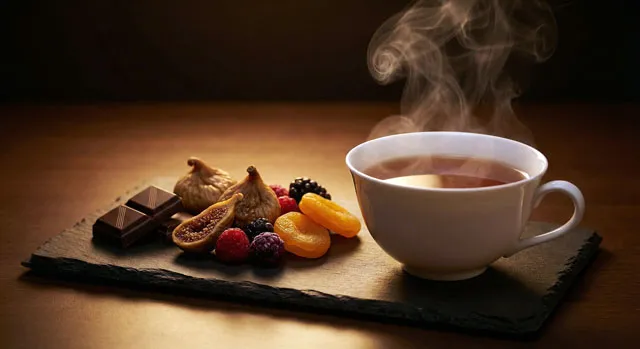
🍫 Chocolate & Fruit × Fragrant Wakōcha
Pairing note: aromas that build on each other
A cultivar with a floral, herbal aroma is a natural match for chocolate or dried fruit. The cocoa's richness and the fruit's acidity blend together for a lingering, indulgent finish.
How to Brew It, From the Pros
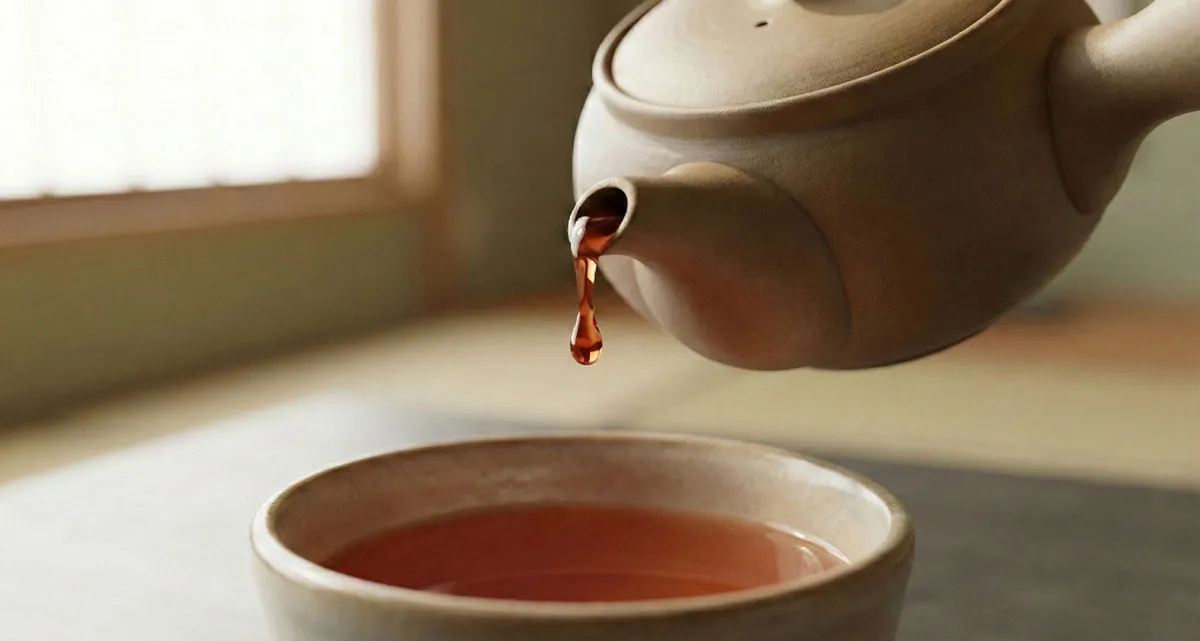
Wakōcha is delicate, but brewing it is simple. The keys are "freshly boiled water" and "the very last drop."
☕ Basic Hot Tea (1 serving)
- Leaf amount: About 3g (one heaping teaspoon).
- Water temperature: Pour about 150ml of freshly boiled water (95–100°C). The high temperature draws out the aroma.
- Steeping time: Cover and steep for 2–3 minutes. A slower steep brings out more sweetness.
- Pouring: Pour it out to the very last drop. Nothing in the pot goes to waste.
🥛 Also great as milk tea: Wakōcha pairs well with milk, bringing out a caramel-like sweetness. Cultivars with a milder character, like Yabukita, work especially well. Brew it a bit stronger, then add warmed milk.
🧊 Recommended: Cold Brew
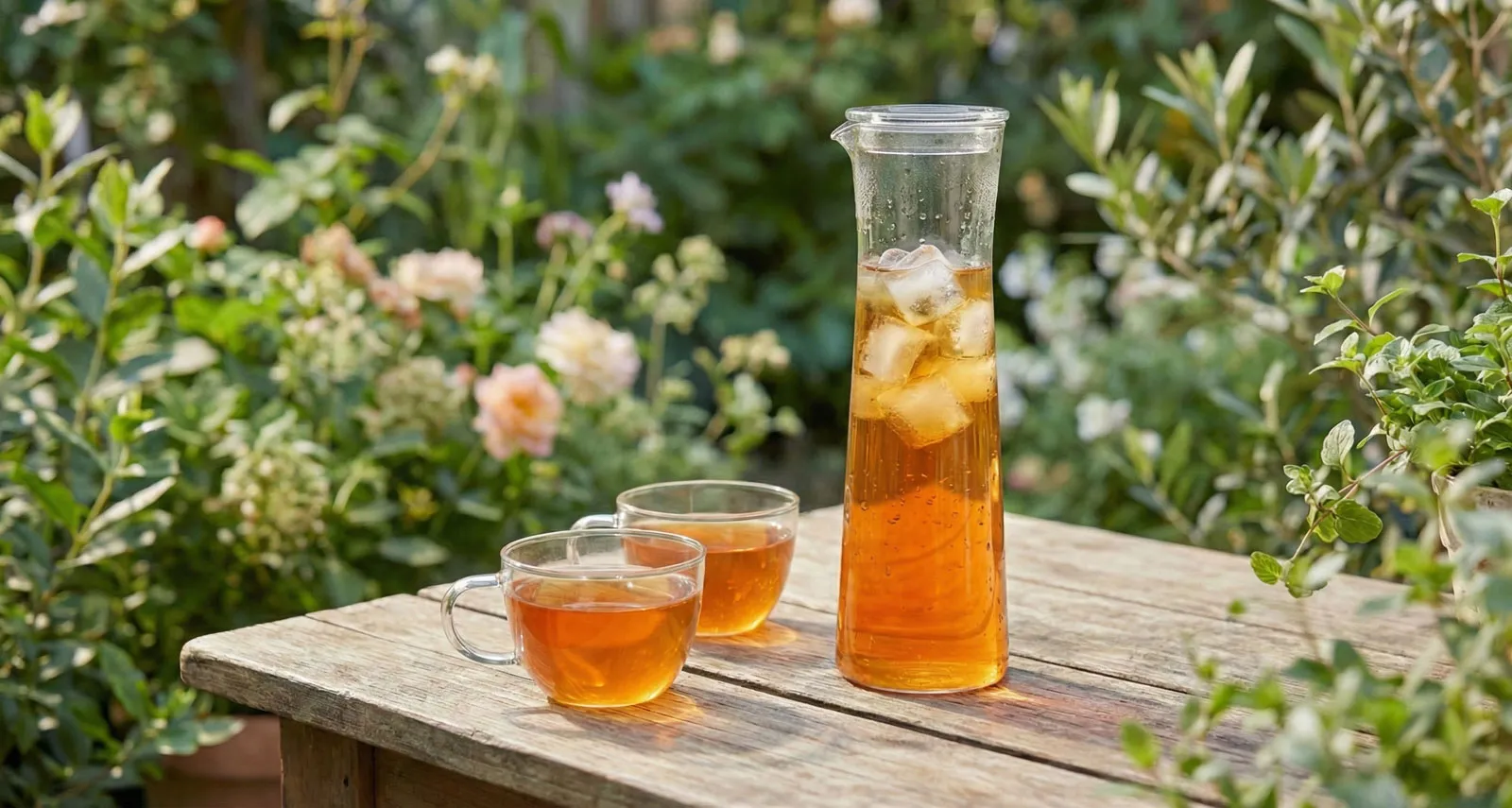
Just add 10–15g of leaves to 1 liter of water and let it sit in the refrigerator overnight (6–8 hours). Because extraction of astringent compounds is comparatively limited at low temperatures, you get an iced tea with a noticeable sweetness. Great not just in the warmer months, but as an everyday tea with meals too.
A cup that settles the mind, shaped by Japan's own land.
For you, and for the people you care about.
Carefully selected wakōcha, straight from the tea gardens we trust.
The rich aroma and gentle, low-astringency character grown from Shizuoka's soil
make it a natural fit for a moment of rest at home, or as a thoughtful gift for someone you'd like to look after.
 Shop
Shop